
Did you know that sixteen percent of SMEs suffered a cyberattack last year, often putting their business at risk with just a few clicks? For a decision maker, the fear of a sudden interruption due to an avoidable outage or the complexity of remote access for teleworking are real concerns. Managing SME IT assets should no longer be a source of uncertainty, especially given the requirements of the new Data Protection Law (FADP) and the regulatory developments of 2026.
You deserve an infrastructure that disappears so you can focus on what matters most: your growth. This strategic guide promises to transform your technological environment into a serene performance lever, anchored in Swiss rigor and expertise. We support you in moving from reactive IT to total and proactive control of your daily work tools.
In the next few lines, we will explore methods to ensure full compliance with Swiss security standards and gain surgical visibility into your IT costs. Discover how to establish lasting stability within your company through constant monitoring and tailor-made protection, so that your IT equipment finally becomes an invisible and infallible ally.
Key Points
- Learn how to structure a management of SME IT assets efficient by favoring proactive monitoring to anticipate breakdowns before they immobilize your activity.
- Discover the five fundamental pillars to secure your digital assets and ensure seamless compliance with the Data Protection Act (FADP).
- Evaluate the strategic advantages of managed IT services to access multidisciplinary expertise while transparently optimizing your operational costs.
- Master a rigorous six-step methodology to audit your current infrastructure and map your data flows accurately.
- Understand how to transform your IT into a lever for peaceful growth thanks to an integrated approach merging technical support, telecoms and cyberdefense.
Table of Contents
What is IT asset management for an SME?
There management of SME IT assets is no longer limited to simple technical maintenance or the occasional replacement of defective equipment. In 2026, this function has evolved into full oversight of the lifecycle of digital assets. It consists of precisely managing each technological component, from its acquisition to its recycling, to guarantee constant performance. This approach is part of a structured framework of IT Service Management (ITSM), where the main objective is to align the technical tool with the company's growth strategy.
The scope of action is now global. It encompasses physical hardware, such as workstations and servers, but also software layers, network infrastructure and perimeter security. Rigorous and proactive management now makes it possible to avoid ninety percent technical incidents which usually paralyze activities. By anticipating signs of weakness in a hard drive or the obsolescence of a security certificate, the company moves from a posture of anxiety-provoking reaction to total control of its environment.
The significant development this year lies in the transition from a static inventory to dynamic management of remote access. The office is no longer a single place. Your infrastructure must now support full mobility while maintaining an impenetrable level of protection. This new complexity requires real-time visibility on each connection, transforming the fleet manager into a true guardian of operational continuity.
The essential components of the modern IT equipment
An efficient infrastructure rests on solid and documented foundations. The hardware inventory no longer just lists laptops and connected devices; it monitors their state of health and their replacement cycle to avoid critical failures. At the same time, software license management has become a major financial optimization lever. It allows you to adjust your subscriptions as closely as possible to your real needs and avoid costly over-licensing. Finally, the network infrastructure remains the backbone of your organization, notably supporting smooth VoIP telephony which requires impeccable stability for your customer communications.
Specific challenges for SMEs in Switzerland
The Swiss context imposes unique requirements for rigor and confidentiality. Compliance with the new Data Protection Act (FADP) is a top priority for any management of SME IT assets serious. This is about protecting the integrity of your Swiss customers' data against increasingly sophisticated threats. Securing access for teleworking constitutes the second major challenge, requiring robust connection protocols outside the company walls. The final challenge remains the reduction of the mean time to repair (MTTR). Every minute of downtime has a cost; our mission is to make your infrastructure invisible so that it operates without a hitch, thus offering you total peace of mind on a daily basis.
The 5 pillars of an efficient and secure IT infrastructure
A management of SME IT assets effective does not rely on luck. It is based on a rigorous structure and a proven methodology. To ensure seamless business continuity, five fundamental pillars must be erected. The first is proactive supervision, also called monitoring. Rather than waiting for a call from an employee in distress, our tools detect anomalies before they turn into costly breakdowns. This constant vigilance makes it possible to identify an overheating processor or a hard drive at the end of its life well before the system shuts down.
The second pillar concerns preventive maintenance. Automating security updates and patches is the key to a resilient fleet. Each delay in applying a patch is an opportunity for an attacker. Next comes responsive user support. A successful helpdesk doesn't just resolve tickets; he understands the business needs of your teams to provide concrete and immediate solutions. Finally, integrated cybersecurity and a robust backup strategy complete the package. With Geosynchronous Backups, we ensure geographic replication of your data for total resilience, even in the event of a major disaster on your premises.
Real-time supervision and monitoring
Anticipating hardware failures on your servers is a management imperative. Supervision allows you to keep a critical eye on network load, a determining factor in guaranteeing the quality of your IP telephony. Without this monitoring, micro-cuts and slowdowns harm your brand image. Another major challenge is the detection of Shadow IT. This is the use of software or cloud services not approved by the company. Identifying these tools helps close gaping security holes before they are exploited by malicious third parties.
Security and compliance: the Flux Defense requirement
Protecting endpoints against ransomware and intrusions is at the heart of the Flux Defense approach. With the entry into force of the new Data Protection Law (FADP) in Switzerland, the responsibility of managers is engaged. Compliance is no longer an option, but a legal and ethical necessity. We implement strict identity and access management (IAM) for your employees, ensuring that everyone only accesses the information necessary for their mission.
Asset management without a cybersecurity component is an open door to your critical data. For leaders wishing to delve deeper into these concepts, the official guides on cybersecurity for SMEs provide valuable foundations. To transform these principles into a solid bulwark, rely on the support of Flux Group SARL allows this complexity to be delegated to local experts based in Geneva.
Managed IT services (managed IT services) vs. Internal management: the dilemma of SMEs
For a company with seventy or eighty employees, the choice between recruiting an internal system administrator and relying on an external partner is crucial. Internal recruitment involves significant fixed costs: gross salary, social charges, continuing training and office infrastructure. In contrast, the management of SME IT assets via a managed services contract transforms these expenses into predictable operational expenses (OPEX). This approach allows you to smooth your IT budget over the year while benefiting from cutting-edge expertise without the constraints linked to hiring.
Access to expertise is one of the most compelling arguments in favor of managed IT services. A single technician, no matter how dedicated, cannot master all of today's technical fields. By using a service provider, you benefit from a multidisciplinary team capable of working on the network, cybersecurity, or VoIP telephony with the same efficiency. Availability is also a factor of peace of mind. Your IT support never stops, even during an employee's vacation or sick leave, guaranteeing total business continuity.
Finally, scaling your infrastructure becomes a seamless process. If your SME is experiencing rapid growth and goes from ninety to one hundred and twenty positions in a few months, an outsourced structure adapts instantly. You don't have to manage the complexity of a technical ramp-up; your partner takes care of the deployment and configuration of new assets, allowing you to stay focused on your business objectives.
The real cost of faulty IT management
Calculating the cost of an hour of inactivity is an essential exercise for any Geneva manager. When your systems go down, the damage isn't limited to wages paid for work not done. It extends to loss of business opportunities and, more seriously, damage to your reputation. A leak of customer data, following an unplugged breach, can shatter the trust built over decades. Tax optimization via the OPEX model is then only a secondary benefit compared to the protection of your intangible capital.
The advantage of proximity to Geneva
Responsiveness is a fundamental value in Switzerland. A local partner has in-depth knowledge of the market and Swiss telecom operators, which considerably speeds up incident resolution. Choose Flux ICT as a strategic partner ensures rapid on-site interventions and an immediate understanding of your territorial issues. This proximity transforms the technical relationship into a true collaboration of trust, where your service provider becomes a natural and vigilant extension of your own team.
6 Steps to Optimize Your IT Assets Now
Transforming complex infrastructure into an engine of growth requires a surgical method. For a management of SME IT assets efficient, improvisation has no place. We have identified six critical steps to stabilize your technical environment and guarantee complete peace of mind for your teams. This logical progression allows us to move from a state of vulnerability to a proactive defense posture, anchored in Swiss rigor.
The process begins with a deep analysis of the existing situation. Once the audit has been carried out, it is necessary to structure the inventory and map each data flow. This visibility makes it possible to define a strict security and update policy, before deploying resilient backup solutions. Finally, human support via training and management by key indicators (KPI) ensure the sustainability of the system.
The crucial importance of the initial audit
The audit is the cornerstone of your strategy. It makes it possible to precisely identify obsolete or end-of-support equipment which represents major risks of breakdown. This step also assesses the compliance of your infrastructure with FADP, an imperative for any company processing data in Switzerland. We also analyze your communications to detect possible bottlenecks in your VoIP telephony, ensuring that your customer communications remain absolutely clear, without technical interruptions.
Geosynchronous backup: your digital life insurance
In 2026, a simple local backup on a physical server or office NAS is no longer enough. Threats, whether cyber or accidental, require full geographic resilience. The principle of geosynchronous backup is based on the instantaneous replication of your critical data to secure and remote data centers, located exclusively on Swiss territory.
The mere existence of a backup does not guarantee business recovery. The difference between an SME that survives a disaster and one that files for bankruptcy lies in the regular testing of the Disaster recovery plan (DRP). We simulate full restores to verify that your systems can reboot in minutes. To secure your data today, discover our Geosynchronous Backup solutions adapted to the requirements of Geneva companies.
Beyond technique, sustainable optimization relies on the cyber hygiene of your employees. Training your teams to recognize phishing attempts or manage their passwords drastically reduces the attack surface. Finally, management via regular performance reports gives you clear visibility on the state of health of your fleet, transforming IT from an anxiety-provoking cost center into a controlled strategic asset.
Flux ICT: Your strategic partner for peaceful management in Geneva
To pilot a management of SME IT assets successfully, provider fragmentation is often a major obstacle. Flux Group SARL understands this by offering a unique global approach. We are merging ICT, telecoms and cyber defense into a single structure. This synergy eliminates technical gray areas and offers unprecedented operational fluidity. As a single point of contact based in Geneva, we simplify complexity so that your technology becomes a performance driver rather than a constraint.
The expertise of Flux Defense constitutes the bulwark of your infrastructure. Through constant monitoring and rigorous security protocols, we make your IT assets impenetrable against today's threats. At the same time, our integrated VoIP telephony solutions guarantee seamless collaboration between your colleagues, whether they are in the office or working remotely. Our local support, anchored in the economic reality of Switzerland, intervenes with surgical responsiveness to maintain your business continuity.
Why choose the expertise of Flux Group?
Total control of security and continuity issues is our signature. We exercise benevolent authority over your infrastructure, acting as a natural extension of your internal team. Our mission is to simplify your daily technological life by taking care of the most complex and anxiety-provoking aspects of IT. Whether your company has ten, seventy or ninety employees, we deploy tailor-made solutions. This adaptability makes it possible to meet the specific needs of each structure while guaranteeing a level of protection identical to the highest standards.
Ready for flawless infrastructure?
It's time to transform your IT from an incurred cost center into a controlled strategic asset. By choosing Flux Group, you benefit from Swiss rigor for the protection of your most sensitive data. We offer you clear visibility on your investments and stability that promotes your long-term growth. Stop letting chance dictate the availability of your systems.
Peace of mind for your business begins with a precise assessment of your current and future needs. Our experts are ready to support you in this transition to a stronger and more agile infrastructure. Contact Flux Group for an audit of your IT equipment and find out how we can secure your digital future today.
Towards a resilient and serene infrastructure for your future
In 2026, control of your digital environment constitutes the essential foundation of your sustainability. We have seen that proactive monitoring and rigorous compliance with FADP transform vulnerable infrastructure into a strong bulwark. A management of SME IT assets conducted with precision helps eliminate business interruptions and secure your remote access. This strategic approach frees your teams from technical constraints to refocus them on their core business and their growth objectives.
To take this step with absolute peace of mind, relying on a local partner is essential. Flux Group offers you specialized technical support in Geneva and highly available Geosynchronous Backups to guarantee maximum resilience of your critical data. Thanks to Flux Defense's advanced cybersecurity expertise, every component of your network benefits from vigilant monitoring and impenetrable protection, anchored in Swiss rigor.
Take back full control of your technological tools and transform your technical challenges into real strategic assets. Optimize your IT assets with Flux ICT now to benefit from tailor-made support and local expertise. Your business deserves a foolproof digital foundation and lasting peace of mind every day.
Frequently Asked Questions About IT Management
What is managed IT services for a Swiss SME?
Managed IT services is the global or partial delegation of your information system to a specialized partner like Flux ICT. For a company in Switzerland, this means entrusting maintenance, security and technical support to local external experts. This solution makes it possible to transform fixed costs into predictable operational expenses while accessing a multidisciplinary team. It is a lever of serenity which guarantees an infrastructure that is always up to date and secure.
How much does it cost to manage an IT fleet by an external service provider?
The cost of an external service depends mainly on the complexity of your infrastructure and the level of service required. Generally, billing is based on a monthly fee calculated per workstation and per supervised server. This approach offers total budget visibility, unlike internal management where hidden costs and unforeseen events are numerous. To obtain a precise estimate adapted to your Geneva context, an initial audit is essential.
What are the obligations of FADP for my IT infrastructure?
The Data Protection Act (FADP) requires you to guarantee the confidentiality, integrity and availability of personal data processed by your company. Your infrastructure should incorporate robust technical measures, such as data encryption and two-factor authentication. In the event of an incident, the law requires rapid notification to the competent authorities. A management of SME IT assets rigorous ensures that your organization remains in constant compliance with these Swiss legal requirements.
Why choose geosynchronous backup rather than a classic cloud?
A geosynchronous backup offers greater resiliency than traditional cloud thanks to real-time replication in two separate data centers located in Switzerland. Unlike simple cloud storage, this method protects your data against major disasters affecting an entire geographic area. You therefore benefit from total sovereignty over your critical information. This is the guarantee of being able to restore your systems instantly, even in the most critical scenarios.
How do I secure the IT equipment of my teleworking employees?
Securing teleworking relies on the implementation of secure VPN tunnels and strict identity management. Each remote access must be protected by multi-factor authentication (MFA) to neutralize the risks linked to password theft. Installing endpoint protection tools on each laptop is also imperative. These measures transform your employees' homes into a secure and controlled extension of your corporate network.
How often should computer equipment be renewed in business?
Renewal of computer hardware is ideally done every four to five years for workstations and servers. Beyond this period, the risk of hardware failure increases significantly and performance no longer effectively supports recent software. A planned rotation avoids massive unplanned investments and guarantees constant productivity. A regular audit allows you to precisely identify which equipment is becoming obsolete and slowing down your daily operations.
What is Shadow IT and how to limit it?
Shadow IT refers to employee use of software or cloud services not officially approved by the company. This phenomenon creates invisible security vulnerabilities and weakens the protection of your sensitive data. To limit it, it is necessary to monitor network flows and offer official tools that truly meet the business needs of your teams. Transparent communication and regular training of employees drastically reduce the use of these insecure solutions.
Why should VoIP telephony be integrated into fleet management?
VoIP telephony must be integrated because it shares the same network infrastructure as your IT data. Unified management allows voice flows to be prioritized to guarantee impeccable call quality, without cuts or echoes. By centralizing maintenance, you simplify technical support and optimize your overall telecom costs. This integration is the key to seamless collaboration, where communication and IT work in perfect harmony for your management of SME IT assets.
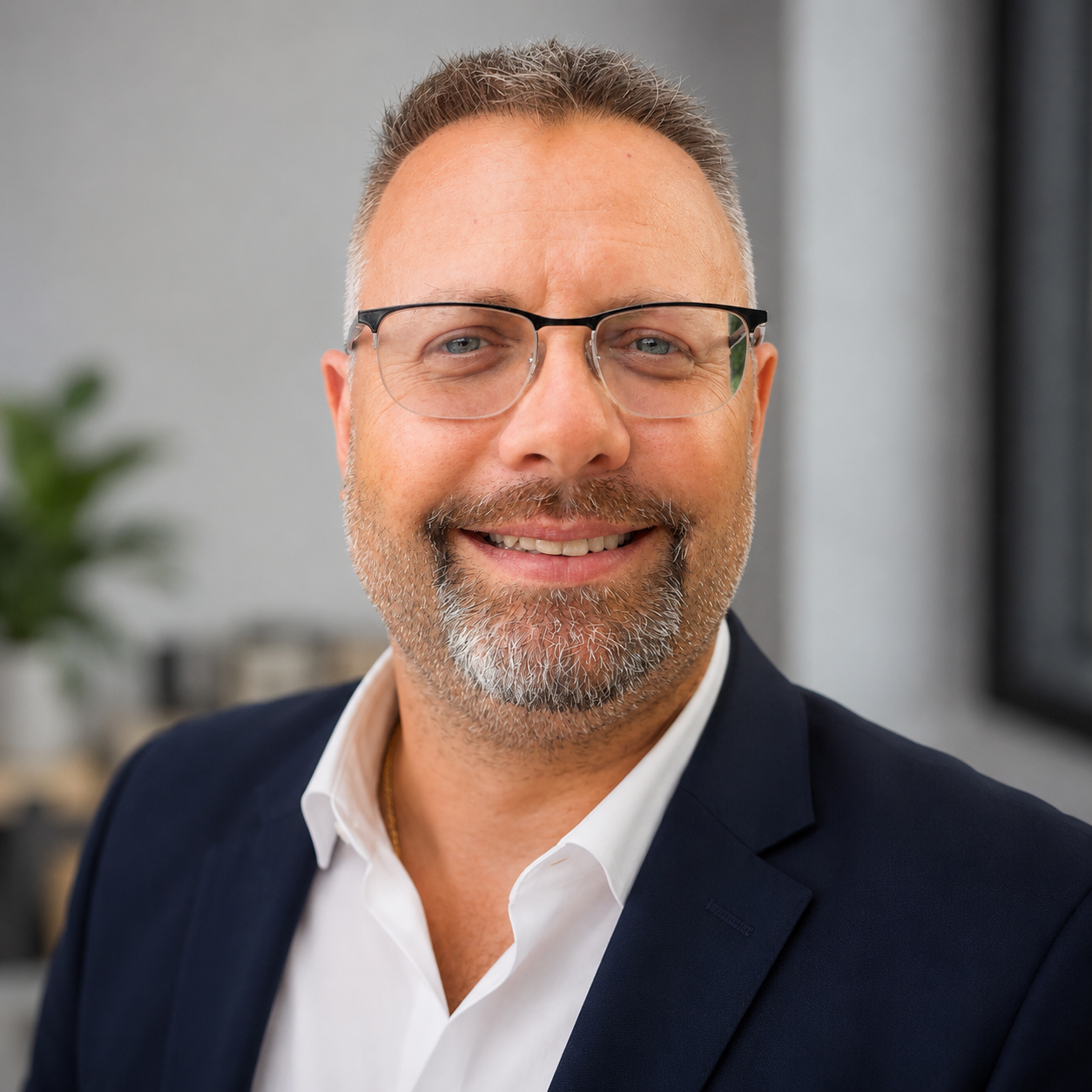
Article by
Delyan TZONEV
Passionate entrepreneur and manager, I am CEO of Flux Group and Hype Swiss. I support companies in their digital transformation thanks to innovative solutions in IT, telecommunications and software development. My goal is to design high-performance technologies that simplify the daily lives of businesses and support their growth.
Disclaimer
The articles published on the Flux Group blog aim to share our expertise, our field experience and best practices in IT, cybersecurity, cloud, telecommunications and digital transformation of SMEs.
We strive to provide reliable, up-to-date and relevant information at the time of publication. However, technologies, regulations and service offerings are evolving rapidly. The published content is therefore provided for informational purposes and does not constitute personalized, legal, tax, financial or technical advice.
Each company has specific needs, we recommend that you seek professional support before making a decision or implementing a solution presented in our articles.
The opinions, recommendations and comparisons published on this blog reflect our analysis and experience. When we talk about partners or publishers such as Microsoft, Swisscom or Infomaniak, our objective is to present the solutions objectively, highlighting their advantages as well as their limitations according to the different contexts of use.
Flux Group cannot be held responsible for the direct or indirect consequences resulting from the use of the information published on this blog. Links to external sites are provided to complete the information; their content is the responsibility of their respective publishers.
© Flux Group – All rights reserved.
Our services
If you wish to be supported in the choice, deployment or optimization of your IT solutions, the Flux Group experts are at your disposal. We support SMEs in Geneva, Switzerland and Pays de Gex in their Microsoft 365, cybersecurity, cloud, telecommunications, managed IT services and IT infrastructure projects.
Questions fréquentes
What is managed IT services for a Swiss SME?
Managed IT services is the global or partial delegation of your information system to a specialized partner like Flux ICT. For a company in Switzerland, this means entrusting maintenance, security and technical support to local external experts. This solution makes it possible to transform fixed costs into predictable operational expenses while accessing a multidisciplinary team. It is a lever of serenity which guarantees an infrastructure that is always up to date and secure.
How much does it cost to manage an IT fleet by an external service provider?
The cost of an external service depends mainly on the complexity of your infrastructure and the level of service required. Generally, billing is based on a monthly fee calculated per workstation and per supervised server. This approach offers total budget visibility, unlike internal management where hidden costs and unforeseen events are numerous. To obtain a precise estimate adapted to your Geneva context, an initial audit is essential.
What are the obligations of FADP for my IT infrastructure?
The Data Protection Act (FADP) requires you to guarantee the confidentiality, integrity and availability of personal data processed by your company. Your infrastructure should incorporate robust technical measures, such as data encryption and two-factor authentication. In the event of an incident, the law requires rapid notification to the competent authorities. Rigorous SME IT asset management ensures that your organization remains in constant compliance with these Swiss legal requirements.
Why choose geosynchronous backup rather than a classic cloud?
A geosynchronous backup offers greater resiliency than traditional cloud thanks to real-time replication in two separate data centers located in Switzerland. Unlike simple cloud storage, this method protects your data against major disasters affecting an entire geographic area. You therefore benefit from total sovereignty over your critical information. This is the guarantee of being able to restore your systems instantly, even in the most critical scenarios.
How do I secure the IT equipment of my teleworking employees?
Securing teleworking relies on the implementation of secure VPN tunnels and strict identity management. Each remote access must be protected by multi-factor authentication (MFA) to neutralize the risks linked to password theft. Installing endpoint protection tools on each laptop is also imperative. These measures transform your employees' homes into a secure and controlled extension of your corporate network.
How often should computer equipment be renewed in business?
Renewal of computer hardware is ideally done every four to five years for workstations and servers. Beyond this period, the risk of hardware failure increases significantly and performance no longer effectively supports recent software. A planned rotation avoids massive unplanned investments and guarantees constant productivity. A regular audit allows you to precisely identify which equipment is becoming obsolete and slowing down your daily operations.
What is Shadow IT and how to limit it?
Shadow IT refers to employee use of software or cloud services not officially approved by the company. This phenomenon creates invisible security vulnerabilities and weakens the protection of your sensitive data. To limit it, it is necessary to monitor network flows and offer official tools that truly meet the business needs of your teams. Transparent communication and regular training of employees drastically reduce the use of these insecure solutions.
Why should VoIP telephony be integrated into fleet management?
VoIP telephony must be integrated because it shares the same network infrastructure as your IT data. Unified management allows voice flows to be prioritized to guarantee impeccable call quality, without cuts or echoes. By centralizing maintenance, you simplify technical support and optimize your overall telecom costs. This integration is the key to fluid collaboration, where communication and IT work in perfect harmony for your SME IT fleet management.
Besoin d'un accompagnement IT à Genève ?
Parlons de votre infrastructure, de votre sécurité ou de votre téléphonie. Sans engagement.
Contacter Flux Group